NO TOUR, NO FEE! Family Owned & Operated Since 1996 • 3,000+ Five-Star Reviews • TripAdvisor 94/100
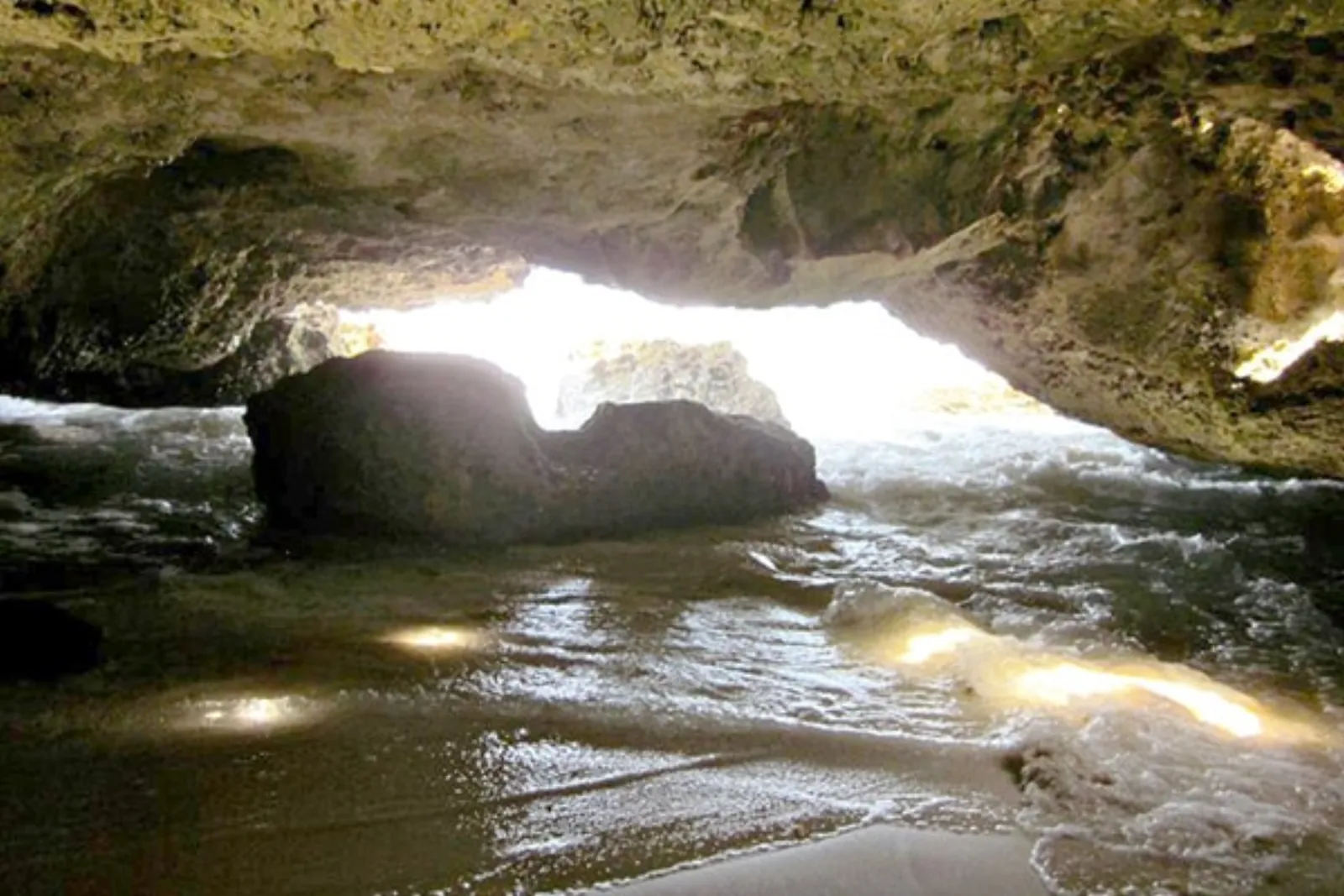
Seven miles of untouched Caribbean coastline with no development, no electricity, and no crowds. Blow holes, hidden caves, deserted beaches, and a feeling of stepping back in time.
Cozumel's east coast, known locally as “the other side,” is a stretch of raw Caribbean coastline that has remained almost entirely undeveloped. While the western shore (facing the mainland) hosts the cruise piers, resorts, and dive shops, the eastern shore faces the open ocean and has no electricity, no permanent structures, and almost no human footprint beyond a single coastal road.
The contrast is striking. Within 20 minutes of leaving the cruise pier area, you cross the narrow island and arrive at a landscape that looks nothing like the Cozumel most tourists photograph. Rough limestone cliffs meet the sea. Blow holes send plumes of spray 15 feet into the air when the surf is strong. Hidden water caves carved by centuries of wave action open into the rock face. And long stretches of white sand beach sit completely empty.
For many visitors, the east coast is the most memorable part of their Cozumel day. It feels like stepping back in time, before development, before cruise ships, when the island was nothing but jungle, limestone, and ocean. It is the kind of place that makes you put your phone down and just look.
Natural geysers where waves force through underground channels in the limestone and erupt skyward. Most dramatic on days with moderate to strong surf.
Wave-carved caverns in the coastal rock. Some are visible from the road; others require short walks along the rocky shore. Each one different.
Long stretches of white sand with nobody on them. Not swimmable in most spots due to strong currents and rocky bottom, but stunningly beautiful.
A dramatic rocky overlook point on the east coast road. Natural rock arch framing the ocean. One of the best photo spots on the entire island.
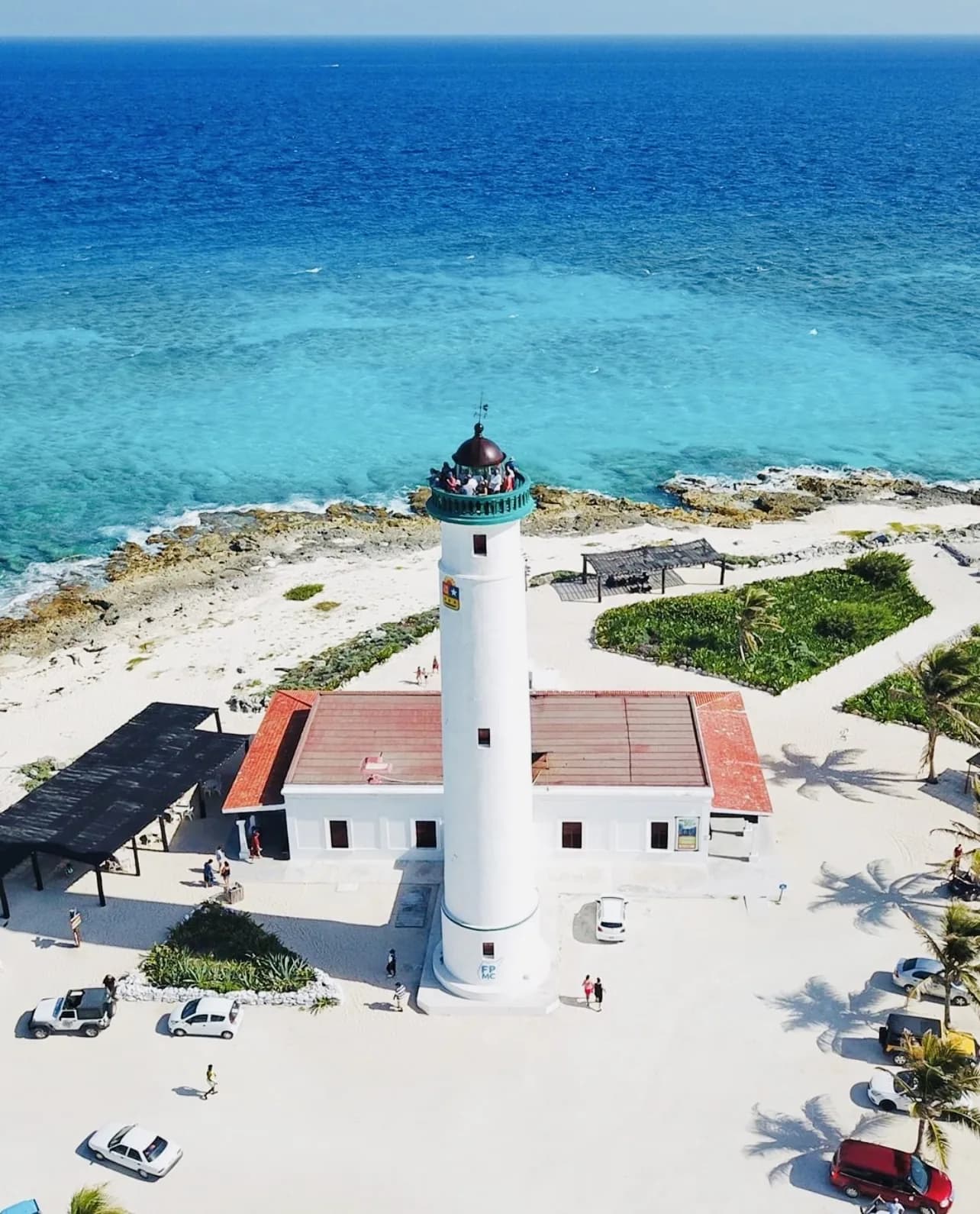
At the southern end where the east coast meets Punta Sur. Climb for seven-mile panoramic views of both the wild and developed sides of the island.
Between May and October, sea turtles nest on the east coast beaches. Seeing the tracks at dawn or the hatchlings heading to the water is unforgettable.
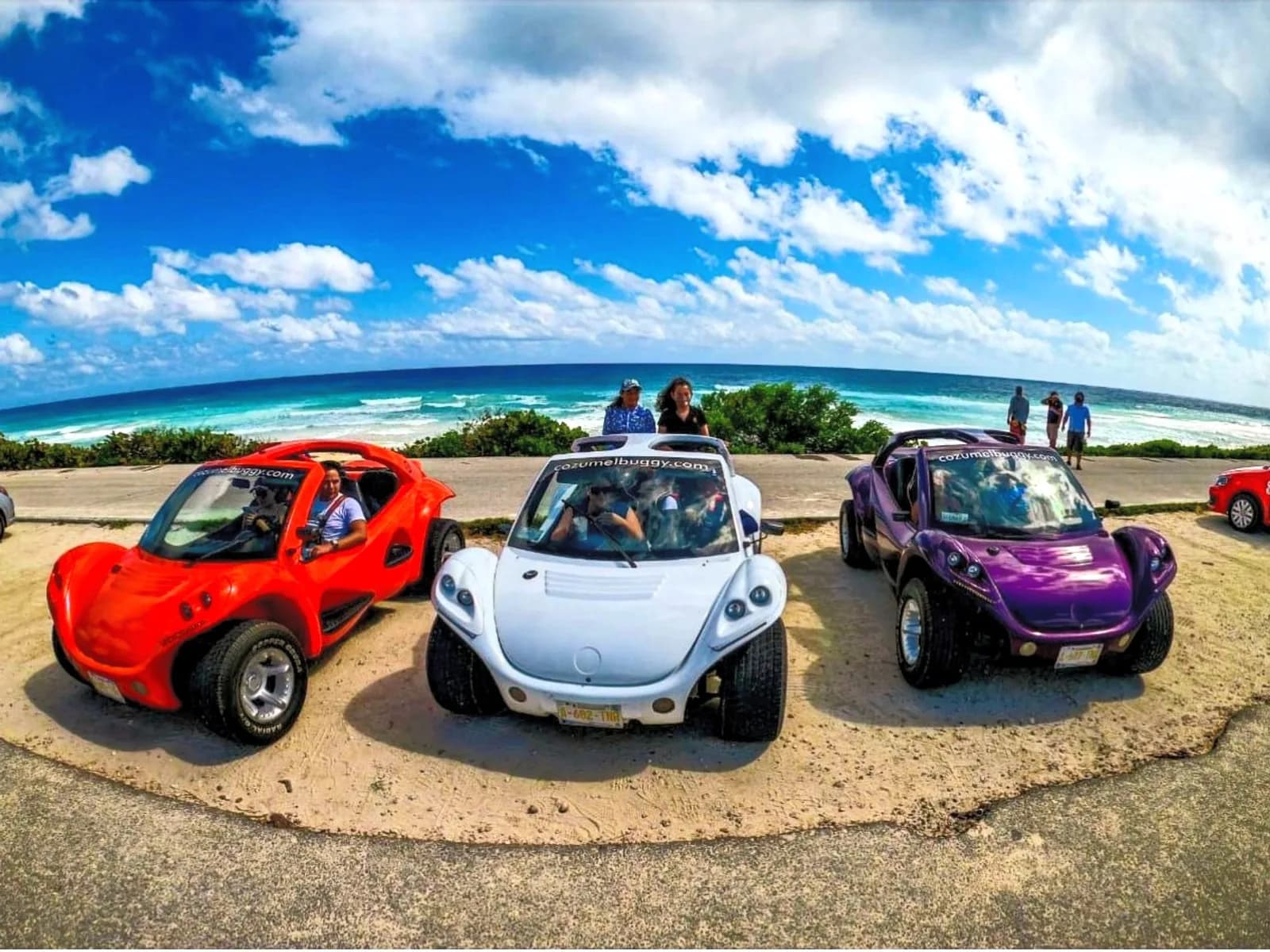
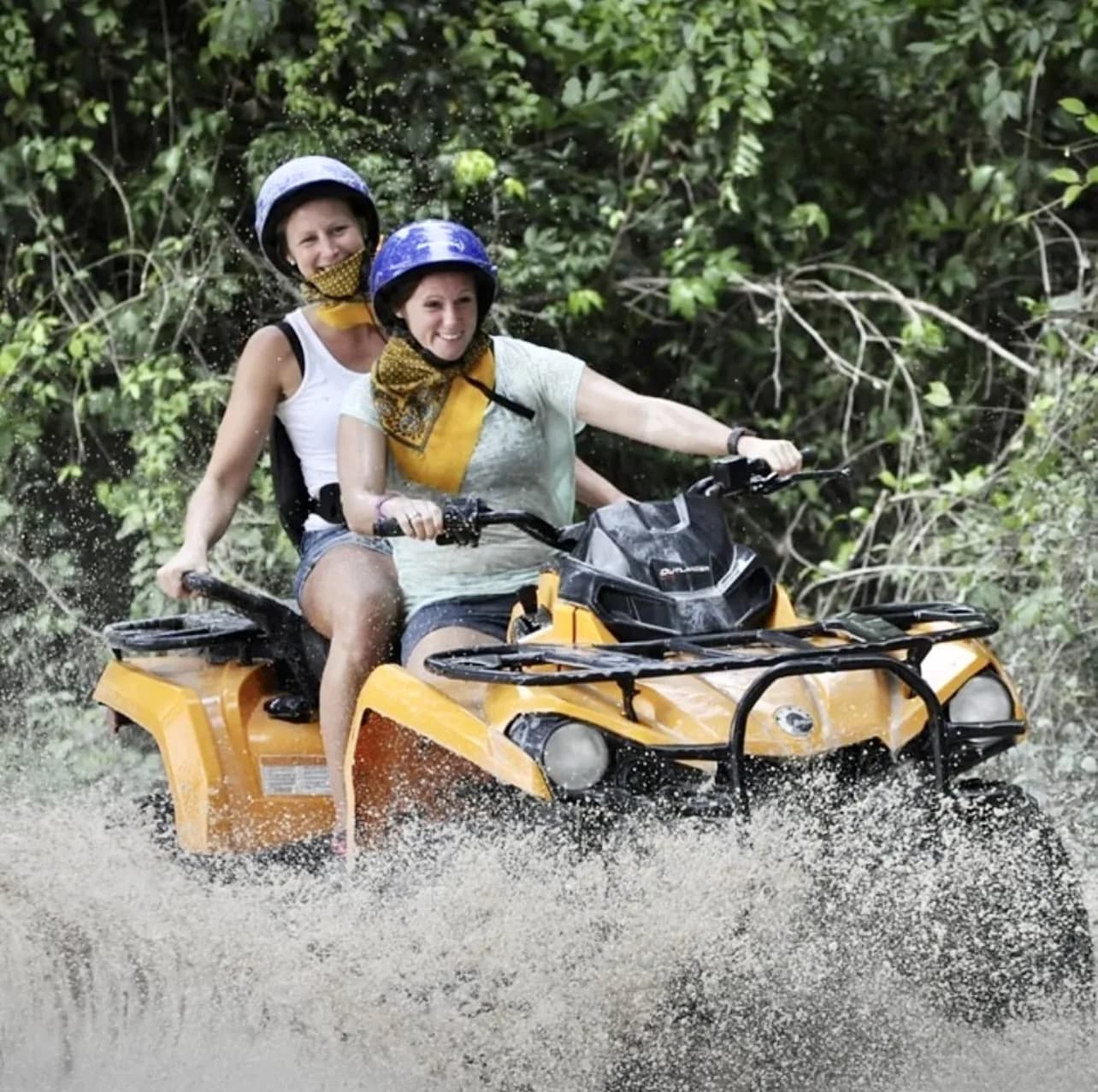
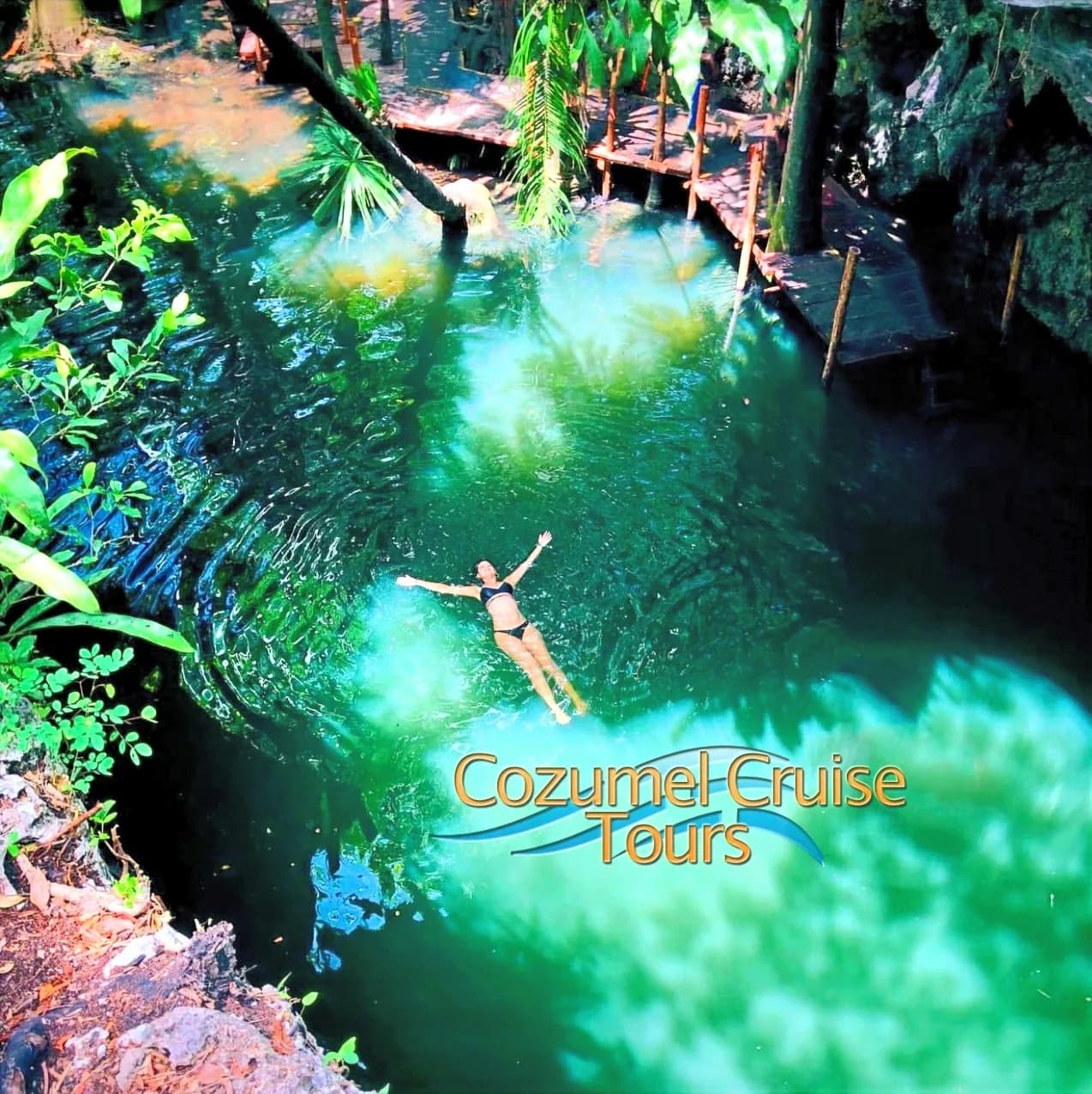
The best way to see the east coast is on a Jeep or dune buggy tour. These follow a loop route that crosses the island through the jungle interior, runs south along the entire east coast highway, and returns via the western coast road. Along the way, most tours include stops at the blow holes, El Mirador overlook, a beach bar (one of the few structures out there), and often the Jade Cavern cenote and a tequila tasting.
You could technically rent a car and drive the east coast road yourself, but a guided tour adds context. The guides know which blow holes are most active on a given day, where to stop safely along the narrow road, and the history behind the landscape. The east coast road itself is paved but has no services, no gas stations, and very limited cell service.
The east coast is beautiful but demands respect. The open ocean side of the island has strong currents and surf that the sheltered west coast does not.
Stay on marked paths and overlooks. The limestone along the coast is sharp and uneven.
Do not swim on the east coast unless at a specifically designated safe beach. The undertow and currents are dangerous.
Watch blow holes from a safe distance. They are unpredictable and the spray can knock you off your feet.
Do not walk into water caves without your guide. Wave surges inside the caves can be sudden and powerful.
Bring water and sunscreen. There are almost no services on the east coast road.
Do not leave the group or wander far from your vehicle on the unpaved interior roads.
Our Jeep and dune buggy tours cover the entire east coast with stops at the blow holes, El Mirador, beaches, and the jungle interior. Small groups, licensed guides, and the NO TOUR, NO FEE guarantee.
Full refund if your ship doesn't dock
Related Guides